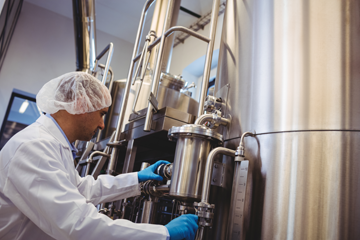
As consumer demand for low-caffeine functional beverages continues to rise, Laboratoire PYC helps nutrition, wellness and health brands develop premium coffee alternatives through more than 40 years of expertise in powdered beverage formulation, sensory development and private label manufacturing.
The rapid growth of the coffee alternative market
Coffee alternatives have become one of the fastest-growing categories in the functional beverage industry. Consumers increasingly seek drinks that deliver energy, focus, cognitive support or relaxation while reducing their caffeine intake.
For brands operating in the nutrition, food supplement, wellness and health sectors, this trend represents a significant innovation opportunity.
Laboratoire PYC supports brands from concept development to industrial-scale manufacturing of functional powdered beverages with low or no caffeine.
Why are consumers looking for coffee alternatives?
Consumer expectations are evolving as sleep quality, stress management and ingredient transparency become purchasing priorities.
Market intelligence compiled by Laboratoire PYC highlights several key trends:
• 60% of French adults report limiting caffeine consumption to improve sleep (Mintel GNPD).
• 63% of Italian Generation Z consumers want clearer labeling regarding caffeine content (Mintel GNPD).
• Sleep quality has become one of the leading reasons consumers reduce coffee consumption.
Rather than giving up their daily ritual, consumers increasingly want beverages that preserve the sensory experience of coffee while providing targeted functional benefits.
Which ingredients are most commonly used in coffee alternatives?
Today’s functional coffee alternatives combine botanical ingredients, mushrooms and adaptogens designed to support specific health benefits.
Common ingredients include:
• Matcha
• Lion’s Mane mushroom
• Rhodiola
• Ashwagandha
• Reishi
To recreate roasted coffee notes, formulators frequently use:
• Chicory
• Barley
Brands targeting the beauty-from-within category also increasingly incorporate collagen peptides into coffee alternative formulations.
Matcha continues to drive innovation
Consumer data confirms the growing popularity of matcha:
• 56% of UK Generation Z consumers associate matcha with sustained energy (Mintel GNPD).
• In the United States, matcha consumption increased from 12% in 2021 to 16% in 2025 (Mintel GNPD).
This growing interest reflects consumers’ preference for other energy solutions.
How does Laboratoire PYC support coffee alternative brands?
Laboratoire PYC acts as an industrial development partner throughout the entire product lifecycle, providing:
• Market intelligence
• Functional ingredient selection
• Nutritional and sensory formulation
• Regulatory compliance
• Industrial trials
• Private label manufacturing and packaging
Recent product concepts developed by Laboratoire PYC include:
• Cocoa Boost®
• Golden Mind®
• Collagen Skinfuse® Matcha
Presented at Vitafoods, Collagen Skinfuse® Matcha contains 10 mg of caffeine per 100 mL, compared with approximately 47 mg per 100 mL for instant coffee.
The company is seeing increasing demand from brands distributed through pharmacies and e-commerce channels.
Laboratoire PYC in numbers
• Over 40 years of expertise
• More than 13,000 formulations developed
• More than 650 functional ingredients
• 120 flavor signatures
• More than 300 international brands supported
Expert insight
“Consumers are not simply looking to reduce caffeine. They want to preserve the pleasure and ritual of drinking coffee while enjoying functional benefits tailored to their needs. The real challenge is recreating the complete sensory experience—the roasted notes, texture, warmth and flavor—while developing innovative beverages that support energy, focus or wellbeing. This combination of sensory expertise and formulation excellence is what truly differentiates today’s successful coffee alternatives.”
Aurélie De Schuyteneer
Marketing & Communications Manager
Laboratoire PYC
Key takeaways
• Consumer demand for low-caffeine functional beverages continues to grow.
• Coffee alternatives combine energy, focus, wellness and reduced caffeine in a single product.
• Popular ingredients include matcha, Lion’s Mane, Rhodiola, Reishi, chicory and collagen.
• Laboratoire PYC provides end-to-end support for brands, from market research and formulation to industrial manufacturing and private label production.
Innovations in Food (& Beverage) Technology is a quarterly magazine distributed globally in Digital format. www.innovationsfood.com. X: @Innovfoodtech. Instagram: @innovationsinfoodtechnology. Linkedin: www.linkedin.com/in/terry-prior52