Something structural is happening in American food and beverage. It is not a trend, it is a shift. According to Mintel’s 2025 U.S. Carbonated Soft Drinks report, 41% of American consumers paid closer attention to their diet in 2024. In the snack bar segment, 87% say they are willing to pay a premium for at least one meaningful health benefit. These numbers are not projections. They describe a market that has already changed.
At Alland & Robert, we have worked with gum arabic for over a century. We have watched this ingredient be taken for granted, used quietly in formulations without ever being named, promoted, or understood for what it truly is. That era is ending. The market is now asking exactly the questions gum arabic was built to answer.
The BFY Revolution in Beverages: A Formulator’s Opportunity
The decline of classic carbonated soft drinks is real and accelerating. Consumers are not simply drinking less soda, they are actively seeking alternatives that justify the purchase beyond taste. The acquisitions of Poppi by PepsiCo and the revival of Slice by Suja Life are not coincidences; they are strategic signals from the industry’s biggest players that the “better-for-you” (BFY) segment is the future of the category.
What does a BFY beverage need to deliver? Fewer added sugars, yes, but increasingly, something positive: fiber, digestive support, functional benefits backed by recognizable, natural ingredients. This is where gum arabic becomes a genuine competitive asset.
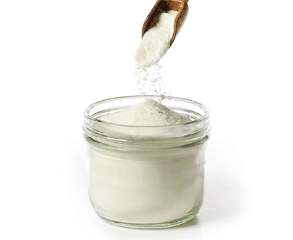
Gum arabic is a soluble dietary fiber that can be incorporated into beverages at meaningful levels without altering taste, mouthfeel, or clarity. It has GRAS (Generally Recognized As Safe) status with the FDA, a short and recognizable INCI name, and a documented prebiotic effect on the gut microbiome. In a market where brands like Poppi have built their entire positioning on gut health, gum arabic offers formulators a scientifically sound, label-friendly path to genuine fiber enrichment, without the formulation compromises that come with inulin or chicory root fiber.
Nutrition and Performance Bars: Beyond Protein, Toward Naturalness
The U.S. snack bar market tells a parallel story. Mintel’s 2026 report makes clear that protein has become table stakes. Brands like Barebells (+304% growth) and David Protein have proven that high-protein positioning works. But the next competitive frontier is already emerging: natural ingredients, clean labels, and functional differentiation beyond macronutrients.
Generation Z, now a dominant force in this category, is nutritionally sophisticated. They read labels. They use apps like Yuka. They know the difference between a fiber source derived from a tree resin harvested in the Sahel and a synthetic binding agent. This distinction matters — and brands that can tell a credible, traceable ingredient story will earn both loyalty and a price premium.
For bar manufacturers, gum arabic brings multiple technical benefits: it acts as a natural binder that improves texture and cohesion, it contributes soluble fiber to the nutritional panel, and it does so with a neutral flavor profile that does not interfere with the taste architecture of the product. It is also compatible with plant-based protein systems, a particularly relevant advantage as the market shifts toward vegetable protein sources.
The Clean Label Imperative: Gum Arabic as a Strategic Differentiator
Across beverages and bars, the underlying consumer demand is the same: “Tell me what is in this product, and make me feel good about it.” Clean label is no longer a niche positioning; it is a market expectation.
Gum arabic passes this test in ways that many functional ingredients do not. It is derived from the natural exudate of Acacia trees, primarily sourced from the African Sahel, a supply chain that carries genuine sustainability credentials. It does not trigger consumer algorithm penalties and it can be described simply and honestly on packaging: “acacia fiber.”
In a market where the margin between a brand that wins and one that stagnates is increasingly decided at the ingredient level, this matters enormously.
A Call to Formulators and Innovation Teams
The American market is not waiting. Every quarter, new brands are launched, new formulations are validated, and new positioning wins shelf space. The window to lead with a genuinely differentiated, science-backed, natural fiber ingredient is open, but it will not remain open indefinitely.
At Alland & Robert, we invite R&D and innovation teams in the BFY beverage and nutrition bar space to engage with us on the formulation possibilities that gum arabic offers. We bring not only the ingredient, but over 130 years of technical expertise, rigorous quality standards, and a supply chain built for the transparency that today’s market demands.
The ingredient has always been there. The market has finally caught up.
Innovations in Food (& Beverage) Technology is a quarterly magazine distributed globally in Digital format. www.innovationsfood.com. X: @Innovfoodtech. Instagram: @innovationsinfoodtechnology. Linkedin: www.linkedin.com/in/terry-prior52