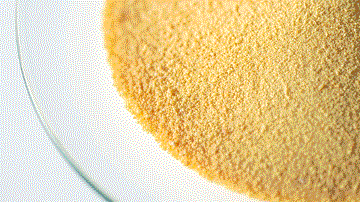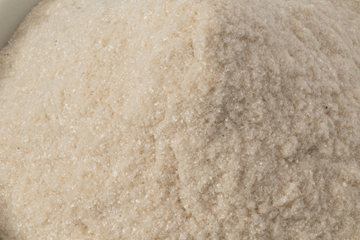
Renaissance’s non-GMO acrylamide-reducing yeast is a proven commercially available clean-label ingredient that reduces the formation of the carcinogen acrylamide in many common cooked foods, including biscuits, chips, crackers, bread, cereals and many other everyday foods and snacks
Renaissance BioScience Corp., a leading global bioengineering company, is pleased to announce that it has recently received new patent allowances and grants for its non-GMO acrylamide-reducing yeast (ARY) from regulatory authorities in China, Russia, India, Australia and Vietnam. These five new ARY patent grants and allowances join previously issued patents from the U.S., Japan, Indonesia, Chile and Colombia, with patents pending in multiple additional markets.
Renaissance BioScience CEO and CSO, Dr. John Husnik, commented on the newly granted patents: “As an intellectual property-focused company we are pleased to receive the new patent grants and allowances in the major markets of China, Russia, India, Australia and Vietnam. These new patents join those already granted or pending in other major markets around the world, to protect the use of our acrylamide-reducing yeast in many different and important food manufacturing applications.”
He added, “Acrylamide is a carcinogen of global concern—especially for children, who tend to consume more than adults due to their daily diet of many common foods that unfortunately contain this carcinogen (crackers, bread, cookies, cereals and the like). We are especially pleased that our acrylamide-reducing yeast is finding acceptance and being commercialized by food manufacturers in markets all around the world with a mandate to reduce the presence of this contaminant in their products.”
About Renaissance Acrylamide-Reducing-Yeast (ARY)
Using adaptive evolution engineering techniques to develop a non-GMO asparagine-reducing yeast, Renaissance is significantly contributing to the important efforts by food regulatory bodies and food manufacturers globally to reduce the formation of acrylamide in everyday and commonly consumed cooked foods.
In food manufacturing Renaissance acrylamide-reducing yeast is added during the standard manufacturing processing stage, where it immediately begins to consume asparagine and quickly reduces the potential for acrylamide formation when the mixture is later cooked above 120°C (248°F). The Renaissance ARY technology has been licensed globally and is available to assist food manufacturers in reducing the acrylamide content of their products in markets around the world.
Innovations in Food (& Beverage) Technology is a quarterly magazine distributed globally both in Print and Digital formats. www.innovationsfood.com. Twitter: @Innovfoodtech. Instagram: @innovationsinfoodtechnology. Linkedin: www.linkedin.com/in/terry-prior52