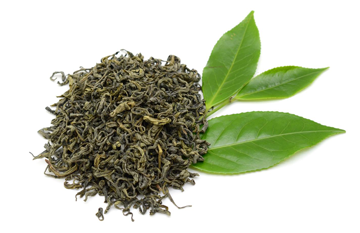
GO Superfoods range of ingredients are all-natural and sustainably sourced. Its organic credentials and affordable prices are integral to its business ambition of making healthy superfoods accessible to all, after all, embracing the organic movement is important not just for every individual’s health, but crucially for that of the planet too.
“The organic revolution is so much more than just a trend; it’s a powerful force reshaping the way we think about food, the environment, and local communities,” says Takudzwa Kufa, Technical and Operations Director at GO Superfoods.
According to the Soil Association, the UK organic market has delivered its 12th year of positive growth, despite the global political and economic turmoil and the UK domestic cost-of-living crisis. The market grew 2 per cent in 2023 ending the year at £3.2 billion – almost double its value in 2011 and sales of organic in supermarkets are now worth £2 billion up 2.7 per cent – following a downturn in 2022.
Despite these positives, UK retailers are falling behind their peers in Denmark, Sweden, the Netherlands and Germany, all of whom have mastered the art of organic retailing, offering consumers genuine, wholesome food, driving the organic market and reaping significant financial benefits.
In the UK, organic is often considered expensive, and too costly for certain sections of society. The growth here is, however, driven by Gen Z (born 1995-2012) and Millennials (born 1980-1994). According to a recent Soil Association survey, nearly half of UK adults aged 25-34 feel happier when purchasing organic foods. One reason for this is the growing awareness of the health benefits of organic; studies suggest that organic fruits, vegetables, and grains may be more nutrient dense, containing higher levels of essential vitamins, minerals, and antioxidants, contributing to overall well-being.
Another reason is a growing consideration of the environmental impact of food choices. Organic foods are cultivated without the use of synthetic pesticides, herbicides, and genetically modified organisms (GMOs). This absence of harmful chemicals results in produce that is not only safer for consumption, more nutritious but also less damaging to the planet.
Taku explains, “Organic agriculture embodies a holistic approach to farming, founded on four key principles: health, ecology, care, and fairness. It represents more than just a farming method, but a commitment to nurturing the earth and its communities. Organic farming is about fostering a symbiotic relationship with nature, ensuring that food is produced without causing harm to humans, animals or the environment.”
Over 2,500 billion tonnes of carbon are stored within the world’s soils[1]. Maintaining soil health is key to supporting the ecosystem, as well as providing crops with essential nutrients, and contributing to positive climate change. Implementing sustainable farming processes helps to keep soil as healthy as possible, which also impacts on the quality of the ingredient/food being grown. In addition, by not using unnecessary chemical pesticides and fertilisers, greenhouse gas emissions are kept to a minimum ensuring that all parts of the eco system are cared for.
GO Superfoods is at the forefront of Organic ingredients in the UK and is dedicated to promoting regenerative farming practices. With a deep-rooted belief that the earth’s health is intricately linked to human health, GO Superfoods has embraced organic – it is a philosophy that guides everything it does. It believes that organic ingredients and foods shouldn’t be regarded as exclusively premium and available only to those who can afford them, they should be a standard choice for everyone. Determined to enable better food choices at affordable prices, the GO Superfoods ingredients range make high quality, premium, organic ingredients accessible to anyone.
Taku explains: “GO Superfoods products are produced in as minimally processed ways as possible, ensuring our ingredients are as close to nature as intended. The business believes that over-processing methods of farming can deplete the beneficial nutrients within a product.
“At the heart of it our organic integrity management is compliant with standards and regulations, embedding the principles of organic agriculture into the very ethos of the business.”
Greenwashing is rife in the manufacturing industry, but GO Superfoods holds organic certification providing a reliable benchmark. Certification imposes organic standards on its products that are rigorously enforced by law, prioritise soil health, biodiversity, and animal welfare and reassure customers that its products are authentically organic.
Taku concludes: “For sustainable, regenerative diets to truly become the norm Government support, such as public sector procurement policies and funding for promotional organic food is crucial. Large food manufacturers must accelerate their efforts to use more organic ingredients, and UK retailers need to make sustainable food choices more accessible to consumers.”
These changes will doubtless come, slowly, but in the meantime, GO Superfoods remains steadfast in its view that organic equals healthy ingredients for individuals, communities, and the environment. And putting this philosophy into action its range of innovative, nutrient-dense organic superfoods are available in bulk for manufacturing. They supply large pack sizes ranging from 5kg to 25kg depending on the product, for use by anyone looking for premium superfood ingredients in large quantities, including food manufacturers, sports nutrition brands, health brands and catering. They can supply quantities ranging from a single box to a container load, with products being fulfilled from stock with low lead times. For further information visit www.gosuperfoods.co.uk.
Innovations in Food (& Beverage) Technology is a quarterly magazine distributed globally both in Print and Digital formats. www.innovationsfood.com. Twitter: @Innovfoodtech. Instagram: @innovationsinfoodtechnology. Linkedin: www.linkedin.com/in/terry-prior52